One-Story Duplex House Plans: A Comprehensive Guide
Duplex house plans, particularly those designed for single-story living, offer a versatile housing solution suitable for various needs and lifestyles. These plans facilitate shared living, offer income-generating potential, and can provide accommodation for extended families. This article explores the key considerations, benefits, and design aspects of one-story duplex house plans, providing a comprehensive overview for those considering this type of property.
A one-story duplex is a single building divided into two separate living units, each situated on the same ground level. This design emphasizes accessibility and minimizes the challenges associated with stairs, making it appealing to a wide range of occupants, including seniors, individuals with mobility limitations, and families with young children. The absence of stairs also simplifies maintenance and reduces the risk of accidents. From an investment standpoint, a one-story duplex can be a significant asset, allowing homeowners to live in one unit while renting out the other, thereby generating income to offset mortgage costs and property taxes.
Key Point 1: Advantages of One-Story Duplex Designs
The decision to opt for a one-story duplex design is driven by a multitude of advantages, appealing to both homeowners and investors. Recognizing these benefits is crucial for understanding the popularity of this housing type.
Accessibility: This is arguably the most significant advantage. The absence of stairs makes the property accessible to individuals of all ages and physical abilities. This is particularly important for aging populations and those with mobility challenges. A one-story design promotes independent living and reduces the need for costly modifications to accommodate accessibility needs.
Simplified Maintenance: Maintaining a one-story structure is inherently easier than maintaining a multi-story building. Exterior maintenance, such as roof and gutter cleaning, is simplified and can often be performed without specialized equipment. Interior maintenance is also streamlined due to the single-level layout. This can translate into reduced maintenance costs over the lifespan of the property.
Construction Cost Considerations: In some cases, the construction costs for a one-story duplex can be lower than a multi-story duplex of comparable square footage. The reduced complexity of the foundation and framing can lead to cost savings. However, this is contingent on factors such as land costs and the specific architectural design. A thorough cost analysis is essential before making a final decision.
Sound Insulation: Careful design and construction can provide effective sound insulation between the two units. Shared walls can be constructed with sound-dampening materials to minimize noise transmission, ensuring privacy and comfort for both occupants. This is a critical consideration in shared living arrangements.
Resale Value: The accessibility and versatility of one-story duplexes can contribute to their resale value. They appeal to a broader range of potential buyers, including families, retirees, and investors. This makes them a potentially attractive investment option in the long term.
Efficient Heating and Cooling: Heating and cooling a single-story structure can be more efficient than a multi-story building. Heat rises, so in a multi-story home, the upper floors often become warmer than the lower floors. In a single-story home, the temperature is more consistent throughout the living space. This can lead to energy savings and reduced utility bills.
Key Point 2: Design Considerations for One-Story Duplexes
Designing a one-story duplex requires careful consideration of various factors to ensure functionality, privacy, and aesthetic appeal. The design should maximize space utilization and provide comfortable living spaces for both units.
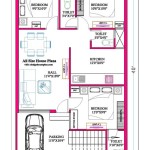
Floor Plan Layout: The floor plan is the cornerstone of any successful duplex design. Each unit should have a well-defined layout that includes living areas, bedrooms, bathrooms, and a kitchen. The design should optimize the use of available space and ensure adequate natural light. Consideration should be given to the placement of windows and doors to maximize ventilation and minimize noise transmission.
Privacy: Maintaining privacy between the two units is paramount. This can be achieved through careful placement of windows and doors, as well as the use of sound-dampening materials in shared walls. Separate entrances and outdoor spaces are also essential for ensuring privacy and creating a sense of independence for each occupant.
Shared Walls: Shared walls should be constructed with sound insulation in mind. Staggered stud construction, with insulation between the studs, can effectively reduce noise transmission. Double drywall with a resilient channel can further enhance soundproofing. Addressing potential noise issues during the design phase can prevent future conflicts between tenants.
Separate Utilities: Ideally, each unit should have its own separate utility meters for water, electricity, and gas. This allows each occupant to manage their own consumption and avoids disputes over utility bills. Submetering is an alternative option, but it can be more complex to manage and may not be permitted in all jurisdictions.
Entrance and Outdoor Spaces: Each unit should have its own private entrance and outdoor space, such as a patio or small yard. This enhances privacy and provides each occupant with a dedicated area for relaxation and recreation. Landscaping can be used to further delineate the boundaries between the two units.
Universal Design Principles: Incorporating universal design principles can enhance the accessibility and usability of the duplex for a wider range of occupants. This includes features such as wider doorways, grab bars in bathrooms, and lever-style door handles. These features can make the duplex more appealing to seniors and individuals with disabilities.
Orientation and Site Considerations: The orientation of the duplex on the site should be considered to maximize sunlight exposure and natural ventilation. The layout should take advantage of any existing landscape features, such as trees or views. Proper drainage is also essential to prevent water damage.
Key Point 3: Legal and Financial Aspects of Duplex Ownership
Owning a duplex involves certain legal and financial considerations that are not typically associated with single-family homes. Understanding these aspects is crucial for a successful and profitable duplex ownership experience.
Zoning Regulations: Local zoning regulations dictate whether a property can be used as a duplex. It is essential to verify that the property is zoned for duplex use before purchasing or building. Zoning regulations may also specify requirements for parking, setbacks, and building height.
Building Codes: The construction of a duplex must comply with all applicable building codes, which are designed to ensure the safety and structural integrity of the building. Building codes cover aspects such as electrical wiring, plumbing, and fire safety. Inspections are typically required during the construction process to ensure compliance with the code.
Financing: Financing a duplex can be different from financing a single-family home. Lenders may require a larger down payment and a higher credit score. However, the rental income from one unit can be used to offset mortgage payments, making it potentially easier to qualify for a loan. Owner-occupied duplexes may qualify for certain mortgage programs not available to investment properties.
Property Management: Managing a duplex requires additional responsibilities compared to managing a single-family home. The owner is responsible for screening tenants, collecting rent, and maintaining the property. Professional property management services are available, but they come at a cost. Choosing between self-management and professional management depends on the owner's time availability and expertise.
Insurance: Duplexes require specific insurance coverage to protect against potential risks, such as fire, theft, and liability. Landlord insurance policies typically provide coverage for rental properties, including protection against loss of rental income. The insurance policy should be reviewed carefully to ensure adequate coverage for the specific risks associated with a duplex.
Lease Agreements: A well-written lease agreement is essential for establishing the rights and responsibilities of both the landlord and the tenant. The lease agreement should cover aspects such as the rent amount, payment schedule, security deposit, and rules regarding pets and smoking. It is advisable to consult with an attorney to ensure that the lease agreement complies with all applicable laws and regulations.
Tax Implications: Owning a duplex has specific tax implications. Rental income is taxable, but expenses related to the rental property, such as mortgage interest, property taxes, and maintenance costs, are deductible. Depreciation can also be claimed on the rental property, which can further reduce taxable income. It is advisable to consult with a tax professional to understand the tax implications of owning a duplex.
The information presented here provides a comprehensive overview of one-story duplex house plans. Careful consideration of these factors is essential for making informed decisions and achieving a successful outcome in duplex ownership.

One Story Duplex House Plans With Garage In The Middle Blog Dreamhomesource Com

140 Duplex Plans Single Level Ideas Floor House

House Front Color Elevation View For D 611 Designed Efficient Construction One Story Duplex Plan Plans Garage

Modest Ranch Duplex House Plan 62610dj Architectural Designs Plans

Plan 027m 0026 The House

Multi Family Plan 45347 Traditional Style With 1648 Sq Ft 4 Be

Top 10 Duplex Plans That Look Like Single Family Homes Houseplans Blog Com

Plan 22369dr Contemporary Duplex House Plans Design

One Bedroom Duplex 57250ha Architectural Designs House Plans

One Level Duplex House Plans Ranch